

NOTICE: Book today and get $10 Off a Photo Package! Use code Picture10 at checkout.
Is Ziplining Safe? | Charleston Adventure Forest
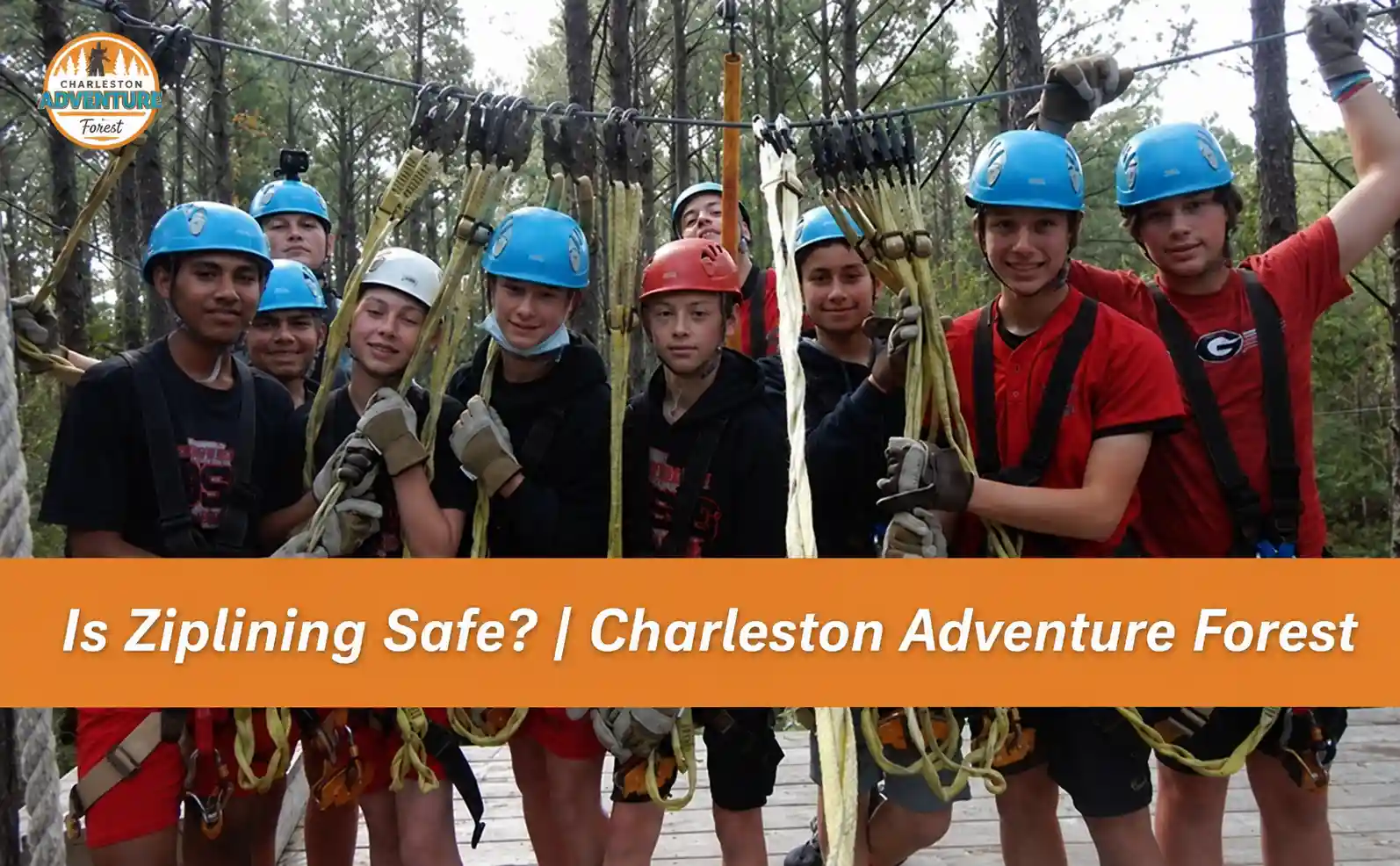
Ziplining looks thrilling from the ground, and that can make first-time riders wonder if it is actually safe to fly through the trees on a steel cable. It is a fair question to ask before you book a spot on any course.
The short answer is that ziplining is generally very safe, especially at courses run by trained operators with well-maintained equipment. A 2015 study in the American Journal of Emergency Medicine found an injury rate of about 11.64 per million US residents in 2012, and most of those injuries were minor, like sprains or bruises, rather than serious. Almost all zipline injuries trace back to a handful of causes: falls, equipment that was not properly maintained, or riders not following safety instructions, not the activity itself.
If you live near Awendaw, SC or you are planning a trip to Charleston, you have probably searched this question yourself. At Charleston Adventure Forest, our guides get asked about safety almost every day, so we put together this guide to walk you through exactly how a zipline course protects riders from start to finish.
Another common concern is stopping before the next platform, so our guide explains what happens if you get stuck on a zipline and how trained guides help.
Is Ziplining Safe?
Yes, ziplining is a safe activity when it is run by a trained operator using proper equipment and inspected courses. Injuries are rare compared to other outdoor adventure activities, and most accidents that do happen come from operators skipping safety standards, not from the sport itself.
How Safe Is Ziplining Compared With Other Adventure Activities?
Ziplining has a strong safety record compared to activities like skiing, mountain biking, or amusement park rides. Because riders stay secured to the cable the entire time with a harness, the risk of a serious fall is much lower than in activities where a person relies on their own balance and control.
Zipline courses also move at a controlled speed along a fixed path, with a guide watching closely at every step, which adds another layer of protection you do not always get with other adventure activities.
Understanding the Most Common Risks of Ziplining
Most zipline injuries come from user error, such as letting go of a trolley or braking incorrectly, rather than equipment failure. A good safety briefing and an attentive guide go a long way toward preventing these mistakes. Weather is another factor, since high winds, lightning, or heavy rain can make a course less predictable, which is why well-run operators pause or close during unsafe conditions.
A poorly maintained course, with worn cables or an unchecked braking system, is the other main source of risk, which is exactly why daily inspections matter so much.
Why Zipline Safety Depends on the Course and Operator
Not every zipline course is built or run the same way, and that difference matters. Safety depends heavily on how well the course was designed, how often it gets inspected, and how well the staff is trained to guide riders through it.
An operator that skips inspections, cuts corners on training, or ignores weather warnings puts riders at far greater risk than one that treats these steps as essential. Two courses can look similar from the outside, but the care behind the scenes is what actually determines how safe your ride will be.
What Makes a Zipline Course Safe?
A safe zipline course starts with strong engineering and ends with careful daily upkeep. Reputable zipline courses follow standards set by organizations like the Association for Challenge Course Technology, known as ACCT. These standards cover everything from cable strength to guide training and course inspections.
Zipline cables are built to hold far more weight than riders ever put on them. Platforms and towers are engineered and inspected to handle heavy use in all types of weather. A well-designed course includes backup safety systems, proper spacing between platforms, and braking systems that slow riders safely before they reach the next stop.
Cables, harnesses, and braking systems should be checked every single day before the course opens. This catches small issues early, long before they become real problems.
How Charleston Adventure Forest Keeps You Safe
At Charleston Adventure Forest, safety is built into every part of the experience, not added as an afterthought. Our guides complete extensive training that meets ACCT standards. They are trained to spot problems early, help nervous riders feel comfortable, and manage the course safely at all times.
Every guest receives a full safety briefing before stepping onto the course. This covers how to sit, how to brake, and what to expect at each platform. Guides stay with your group throughout the entire course, watching each rider from platform to platform and stepping in immediately if anyone needs help.
Before every single ride, your harness and connection points are checked by a guide. This double-check habit is one of the simplest ways to prevent accidents. Many modern courses, including ours, use smart belay systems that automatically keep riders connected to the safety line as they move. These systems reduce the chance of human error causing a disconnection.
Essential Zipline Safety Equipment
The right gear is just as important as a well-built course.
Harnesses and Connection Systems A properly fitted harness keeps you securely attached to the safety line for the entire course. Guides check the fit before you begin to make sure it is snug and correct.
Helmets Helmets protect your head from low branches, platforms, and other obstacles along the course. Every rider wears one, no exceptions.
Carabiners and Safety Attachments Carabiners connect your harness to the safety systems on the course. These are inspected regularly and rated to hold far more weight than needed.
Zipline Trolleys and Braking Systems The trolley is what rolls along the cable, and the braking system slows you down safely before you reach each platform. Both are checked daily for wear and proper function.
How Equipment Is Inspected and Maintained Gear is inspected before opening each day, and any item showing wear is pulled from use immediately. Regular maintenance schedules keep every piece of equipment in top shape.
What Happens During a Safe Zipline Experience?
Knowing what to expect can ease any nerves before your visit. Your visit starts with check-in, a waiver, and a safety orientation that covers the basics of the course and what your guides will help you with. Staff fit your harness and helmet, adjusting straps until everything sits securely and comfortably.
Before your first zip, guides walk you through how to sit, how to hold the trolley, and how braking works so you feel prepared. Guides give clear instructions at each platform, helping you stay safe and confident as you move through the course.
Zipline Safety Tips for First-Time Riders
A few simple habits go a long way toward keeping your ride safe and fun.
Follow All Safety Rules and Guide Instructions Listening closely to your guide and following the rules is the single best way to have a safe, smooth experience.
Using the Correct Body Position Sitting properly in your harness with your body relaxed helps you glide smoothly and avoid spinning or bouncing on the line.
Keep Your Hands Away From the Cable and Trolley Keep your hands on the designated grips, not the moving parts of the trolley or cable, to avoid pinching or injury.
Tie Back Long Hair and Secure Loose Items Long hair should be tied back, and loose jewelry or scarves should be removed before your ride to avoid getting caught on equipment.
Wear Appropriate Clothing and Closed-Toe Shoes Closed-toe shoes are required, and comfortable, athletic clothing works best. Avoid loose or baggy clothing that could catch on gear.
For more preparation tips, read our complete guide on what to wear for ziplining before your visit.
Ask for Help if You Feel Nervous or Unsure Guides are there to help, so speak up if you feel unsure about anything. There is no such thing as a silly question on the course.
Who Can Safely Go Ziplining?
Most healthy people of many ages and abilities can enjoy ziplining safely. Yes, many courses, including ours, offer kid-friendly zipline options designed for younger riders, with lower platforms and shorter lines built for smaller bodies. Yes, as long as a person can walk, climb stairs, and meet the basic physical requirements of the course.
Many seniors enjoy ziplining safely every year. Weight limits exist to keep the cables, trolleys, and braking systems working as designed. Staying within posted limits keeps the ride safe for everyone. Guests with serious heart conditions, recent injuries, or certain mobility limitations should check with the operator before booking to confirm the course is a good fit.
How to Choose a Safe Zipline Adventure
A little research before you book can make all the difference. Choose an operator that openly shares its safety standards and certifications, rather than one that avoids the topic. Ask how often equipment is inspected and what kind of training guides go through before you book your visit.
Review posted requirements ahead of time so there are no surprises for your group on the day of your visit. Reviews often mention how safe and well-run a course feels, which can tell you a lot before you ever arrive.
What to Do Before Your Zipline Adventure
A little preparation helps your day go smoothly.
Check the Weather and Park Requirements Look at the forecast and any park guidelines before you head out, since some courses operate rain or shine while others pause for storms.
Wear the Right Clothing and Footwear Closed-toe shoes and comfortable clothing make your ride easier and safer.
Follow All Health and Safety Guidelines Review any health requirements ahead of time, especially if you have a medical condition that could affect your ride.
Tell Staff About Any Concerns Before Starting Let your guides know about any fears, injuries, or health concerns before you begin so they can support you properly.
Experience Ziplining Safely at Charleston Adventure Forest
At Charleston Adventure Forest in Awendaw, SC, safety is built into every part of the experience, from our certified course and daily equipment checks to our trained guides who stay with you the entire way. Whether you are bringing the kids, planning a group outing, or looking for your next adventure near Charleston, our team is ready to help you fly through the treetops with total confidence.
If you are ready to see the Lowcountry canopy from a whole new angle, Book your visit with Charleston Adventure Forest today. Our guides will walk you through every step, so all you need to bring is your sense of adventure.
Conclusion
Ziplining is a safe activity for most people when it is run by a trained team on a well-maintained, certified course. Strong cables, daily equipment checks, and trained guides all work together to protect riders from start to finish. Most of the risk comes down to the operator, not the activity itself. A well-run course with proper training and daily inspections keeps riders safe from start to finish.
Frequently Asked Questions About Zipline Safety
Is Ziplining Safe for Beginners?
Yes. Ziplining is designed to be beginner friendly, and most riders on any course are trying it for the first time. Guides walk every first-time rider through the full process, from harness fitting to braking, so you know exactly what to expect before you ever leave the platform. You will also get a chance to ask questions during your safety briefing, so nothing feels rushed or confusing once you are up in the trees.
Is Ziplining Safe for Kids?
Yes, many courses, including ours, offer kid-sized zipline options built specifically for younger riders. These courses use lower platforms, shorter lines, and gentler speeds so children can enjoy the experience safely. Age and height requirements are usually posted ahead of time, and guides give kids the same close attention and safety checks as adult riders.
Is Ziplining Safe for Seniors?
Yes, ziplining is safe for most seniors, as long as a person can meet the basic physical requirements, such as walking a short distance, climbing stairs, and getting in and out of a harness comfortably. Age by itself is not a barrier. Many seniors zipline every year without any issues. If you have a specific health concern, it is always a good idea to mention it to staff before booking so they can confirm the course is a good fit.
Is There a Weight Limit for Ziplining?
Yes, most courses set both a minimum and maximum weight limit. These limits are not arbitrary, they exist because cables, trolleys, and braking systems are engineered to work safely within a specific weight range. Staying within the posted limits keeps the speed and braking consistent, which is a key part of keeping every rider safe.
Can You Zipline in the Rain?
It depends on the course. Some operators run rain or shine, since light rain does not usually affect the safety of the equipment. Others choose to pause operations during storms, lightning, or high winds, since those conditions can make the course less predictable. It is always worth checking with the operator ahead of time if the forecast looks uncertain.
What Should You Wear to Stay Safe While Ziplining?
Closed-toe shoes are required on almost every course, since sandals or flip-flops can slip out of footrests or get caught in equipment. Comfortable, fitted athletic clothing works best, since loose or baggy clothing can snag on the trolley or harness. It is also a good idea to tie back long hair and remove dangling jewelry before your ride.
What Happens if You Get Stuck on a Zipline?
If a rider stops short of a platform, which is uncommon, guides are trained to retrieve them quickly using rescue equipment designed for exactly this situation. You remain safely attached to the line the entire time, so even if this happens, there is no risk of falling. Guides stay calm and walk you through the process so it feels controlled rather than scary.
What Should I Do if I Feel Scared While Ziplining?
Tell your guide. Feeling nervous before or during a ride is completely normal, even for people who end up loving the experience. Guides are trained to help nervous riders through the course with calm encouragement, extra reassurance, or a slower pace if needed. You are always securely harnessed to the line, so it is safe to take your time and work through the nerves at your own speed.
How Do I Know if a Zipline Course Is Safe?
Look for a few clear signs before you book. A safe course should hold current certifications, such as ACCT accreditation, and should be open about its safety standards rather than vague about them. Ask how often equipment is inspected and what kind of training the guides go through. Strong, detailed reviews that mention feeling safe and well guided are also a good sign that a course takes safety seriously.