

NOTICE: Book today and get $10 Off a Photo Package! Use code Picture10 at checkout.
Can You Zipline in the Rain? What to expect complete guide
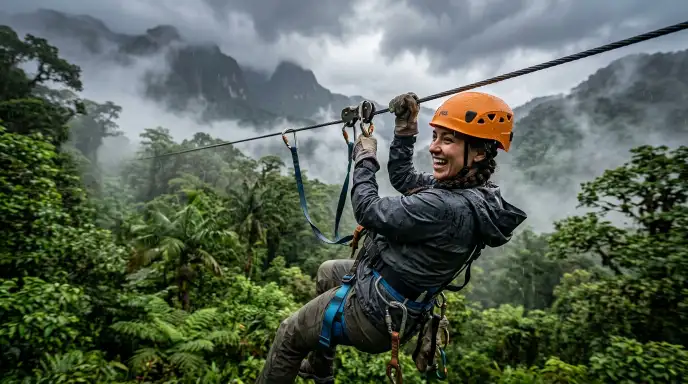
Yes, you can zipline in the rain at many zipline parks, but it depends on the severity of the weather and the operator's safety policies. Light rain usually doesn't stop tours because modern zipline equipment is designed to handle wet conditions. In fact, some adventurers enjoy the added excitement of soaring through misty forests and rain-soaked landscapes.
However, heavy rain, thunderstorms, strong winds, or lightning can lead to delays or cancellations for safety reasons in Awendaw, South Carolina. Before your trip, it's always best to check with the zipline company about their weather policy. If rain is in the forecast, wear quick-drying clothing and secure footwear so you can stay comfortable while enjoying the experience
For help choosing a season with comfortable conditions and clear forest views, read our guide to the best time of year to go ziplining in Charleston.
Not all rain affects ziplining the same way. A light drizzle is very different from a heavy storm. Zipline operators focus on whether the weather creates a safety risk or simply makes the experience less comfortable.
Understanding When Rain Is Safe for Ziplining
Not all rain is created equal. A light drizzle on a warm afternoon is a completely different situation than a fast-moving thunderstorm. Operators think about weather in terms of what's actually dangerous versus what's just uncomfortable.
Light Rain vs. Heavy Rain vs. Thunderstorms
Light rain or a brief shower usually won't stop a zipline tour because the equipment is designed to handle wet conditions. However, heavy rain can reduce visibility and make platforms slippery, leading operators to pause activities until conditions improve. Thunderstorms are treated differently, as lightning and strong winds create serious safety risks that require tours to be suspended immediately.
Why Lightning Stops Every Zipline Tour
Lightning is one of the most serious weather hazards for any zipline tour. Because zipline systems use steel cables and elevated platforms, being outdoors during a lightning storm can be dangerous for both guests and staff. To ensure safety, operators closely monitor weather conditions and immediately stop tours whenever lightning is detected nearby, resuming activities only after the storm has completely passed.
What Weather Conditions Actually Cancel a Zipline Tour?
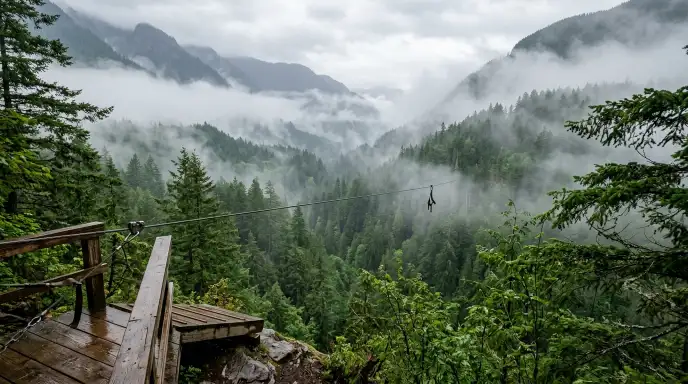
Different weather conditions affect zipline tours in different ways. While some conditions may only cause minor delays, others can lead to immediate cancellations for safety reasons.
Rain: Usually Not a Problem
Rain alone rarely causes a zipline tour to be canceled. Most zipline parks operate in light rain because their equipment is built for wet conditions and guides are trained to work safely in this type of weather. Although you may get wet, the tour can usually continue as scheduled unless conditions become severe.
Wind: The Weather Factor Operators Watch Closely
Strong winds can have a bigger impact on ziplining than rain. High winds may affect rider speed, braking, and overall stability on the course. Because of this, operators carefully monitor wind conditions and may delay or cancel tours when wind speeds reach unsafe levels.
Lightning: The Non-Negotiable Shutdown Trigger
Lightning is one of the few weather conditions that automatically stops a zipline tour. Since riders and equipment are exposed outdoors, any nearby lightning poses a serious safety risk. Tours are typically suspended until the storm has passed and conditions are considered safe again.
Flooding, Hail, and Other Severe Weather Risks
Severe weather such as flooding, hail, or strong storms can also lead to tour cancellations. These conditions can create unsafe trails, slippery platforms, and poor visibility, making it difficult for guests and staff to move around safely. When severe weather is present, operators will close the course until conditions improve.
How to Read the Forecast Before You Leave Home
Weather apps give you probability, not certainty. A 40% chance of rain means something different at 6 a.m. than it does at 2 p.m. for a mid-morning tour.
Go, Wait, or Reschedule? A Simple Weather Checklist
Use this as a starting framework before you call your operator:
- Go as planned if: the forecast shows light to moderate rain with no lightning risk, temperatures are mild, wind is under 20 mph.
- Call ahead first if: the forecast shows 60%+ rain probability, there are wind advisories in effect, or there's any mention of thunderstorm activity within your tour window.
- Consider rescheduling if: active storm warnings are in place, heavy rain and strong winds are forecast for your exact window, or lightning is in the area forecast.
Understanding Wind Speeds and Storm Warnings
Standard weather apps show sustained wind speeds, but operators also monitor gust data and directional wind relative to their cable layout. A 20 mph sustained wind may be fine on one course and problematic on another depending on elevation and exposure. When in doubt, ask the operator directly they can tell you what their site-specific thresholds are.
When to Call Your Zipline Operator Before Driving Out
If there's any meaningful chance of adverse weather, call before you leave. Most operators would rather tell you in advance than have you drive an hour only to sit in a shelter waiting out a delay. They also have access to commercial-grade weather monitoring tools that are more granular than consumer apps.
Do Zipline Tours Run in the Rain?
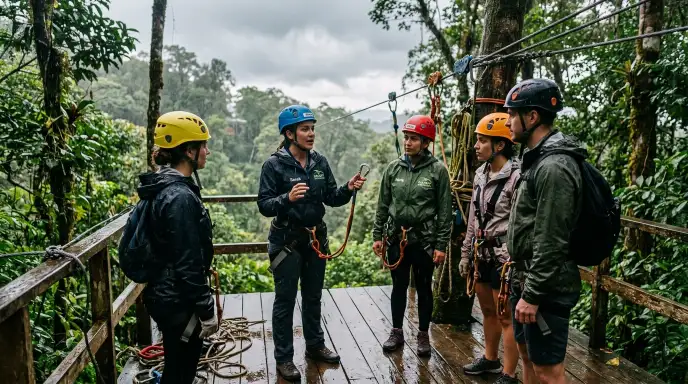
Yes, most zipline tours operate in light to moderate rain. Zipline companies are prepared for wet weather, and rain alone is usually not enough to cancel a tour. However, severe weather conditions such as lightning, strong winds, or heavy storms may result in delays or cancellations.
What "Rain or Shine" Really Means
When a company advertises rain-or-shine tours, it means that normal rain is considered part of the experience and tours will typically continue as scheduled. While weather-related delays can still happen, light rain by itself is usually not a reason for cancellation.
How Different Operators Make Weather Decisions
Every zipline company has its own weather policies and safety procedures. Some operators follow detailed guidelines based on weather forecasts and real-time conditions, while others rely on experienced guides to make decisions on site. Because of this, weather-related decisions may vary from one location to another.
Cancellation, Refund, and Rebooking Policies Explained
If a tour is canceled due to unsafe weather, most operators will offer a refund, a credit, or the option to reschedule. Since policies differ between companies, it's a good idea to review the cancellation policy before booking so you know what options are available if weather affects your tour.
How Rain Actually Changes the Ride
Rain can affect your zipline experience in several ways, from the scenery around you to how guides manage the tour. While safety remains the top priority, wet weather can create a different and sometimes more memorable adventure.
Does Rain Make a Zipline Faster or Slower?
Rain may slightly affect the speed of a zipline, but most riders will not notice a major difference. Guides account for wet conditions when managing the tour and adjust procedures as needed to ensure a safe and smooth ride.
Visibility, Views, and the Overall Experience
Rain can reduce visibility and limit long-distance views, especially in mountainous areas. However, many riders enjoy the unique atmosphere that rain creates, with misty landscapes, vibrant greenery, and a more immersive outdoor experience.
Wet Platforms, Braking, and Safety Procedures
Wet weather can make platforms and walkways more slippery, so guides often take extra precautions to keep guests safe. You may notice slower movement between stations, additional safety reminders, and closer attention to footing throughout the tour.
What Your Guides Will Tell You During a Wet-Weather Briefing
Before the tour begins, guides will explain any weather-related safety adjustments. This may include instructions for moving on wet surfaces, proper hand placement, and any changes to normal procedures. Following these directions carefully helps ensure a safe and enjoyable experience for everyone.
Why Some People Prefer Ziplining in the Rain
This section surprises people who haven't done it. But rainy-day zipliners are often among the most enthusiastic about their experience.
Smaller Groups and Fewer Crowds
Bad-weather forecasts scare off casual participants. The group that shows up on a drizzly Thursday morning is a self-selected crew of people who actually want to be there. Smaller groups mean more personal attention from guides, less waiting between lines, and a more relaxed pace through the course.
Cooler Temperatures and Greater Comfort
If you've ever ziplined in tropical heat, you know the exhausting combination of humidity, sun, and harness straps. Rain cools everything down. The air is fresher, the heat stress disappears, and you're far less likely to end the tour overheated and dehydrated.
Misty Forests, Waterfalls, and Unique Scenery
Some of the most photographed zipline moments come from wet-weather tours. Waterfalls run fuller after rain. Mist hangs at mid-canopy level. The colors of wet foliage are deeper and more saturated. If your course runs through rainforest or mountain terrain, the rain is part of what makes the ecosystem look the way it does.
Wildlife Activity During and After Rainfall
Animals move differently in and after rain. Birds are more active at lower altitudes. Amphibians come out in numbers. In tropical settings, the cacophony of frogs and insects that emerges after rainfall is its own kind of experience. You may see and hear far more wildlife on a rainy tour than on a dry one.
What to Wear for Ziplining in the Rain
Wearing the right clothing can make a big difference when ziplining in wet weather. The goal is to stay comfortable, maintain good mobility, and avoid clothing that becomes heavy or uncomfortable when wet.
The Best Shoes for Wet Conditions
Closed-toe shoes with good traction are the best choice for ziplining in the rain. Trail running shoes, hiking shoes, or athletic shoes with rubber soles can help you maintain a secure footing on wet platforms and trails. Avoid sandals, flip-flops, or any footwear with smooth soles.
Why Cotton Is the Worst Choice
Cotton tends to absorb and hold water, which can leave you feeling cold and uncomfortable during the tour. Instead, choose moisture-wicking fabrics that dry quickly and help keep your body temperature more comfortable in wet conditions.
A Simple Layering System That Works
A lightweight layering system is the best way to stay comfortable in the rain. Start with a moisture-wicking base layer, add a light insulating layer if temperatures are cool, and finish with a breathable rain jacket. This combination helps keep you dry without restricting movement.
Should You Bring Gloves?
Gloves can be helpful on cool, rainy days, especially if you expect your hands to get wet. Lightweight, water-resistant gloves can improve comfort and provide a more secure grip on rails and equipment without limiting hand movement.
Protecting Your Phone, Camera, and Valuables
Rain can quickly damage electronics and other personal items if they are not properly protected. Taking a few simple precautions before your tour can help keep your valuables safe and dry throughout the experience.
Waterproof Cases and Dry Bags
A waterproof phone case or dry bag is one of the best ways to protect your belongings during a rainy zipline tour. These accessories help keep phones, cameras, wallets, and keys dry while allowing you to enjoy the tour without worrying about water damage.
Safe Ways to Carry Electronics on a Zipline
When carrying electronics on a zipline, make sure they are secured in a zippered pocket, harness-mounted pouch, or waterproof bag. Loose items can fall during the ride, so it's important to use a secure storage option designed for outdoor activities.
When It's Better to Leave Valuables Behind
If you do not have reliable waterproof protection, it may be best to leave expensive electronics and unnecessary valuables behind. Many zipline parks offer secure storage areas where you can safely keep your belongings while you enjoy the tour.
Rainy-Day Tips for Families, Kids, and First-Time Riders
Rain adds a logistical layer when you're managing more than yourself.
Helping Children Stay Warm and Comfortable
Kids lose body heat faster than adults. On a cool, rainy day, dress them in the same layering system you'd use: moisture-wicking base, light insulating mid-layer, waterproof outer shell. Bring an extra layer per child. A warm thermos of hot chocolate at the end of the tour is genuinely useful, not just a nice touch.
Keeping Nervous Riders Calm When Weather Changes
If a new guest is already anxious about ziplining, a weather delay or a dark sky can escalate that anxiety fast. Normalize what's happening, explain that a brief pause is routine, that the guides do this every day in these conditions, and that the equipment is built for it. Distract with snacks, conversation, and movement if possible.
Managing Expectations for First-Time Zipliners
First-timers already have enough to process: the harness, the height, the speed. Adding rain to that can feel overwhelming. Set expectations before you arrive: you may get wet, you may be cold at the start, and that's completely normal. The experience itself tends to override all of it once you're on the first line.
What Happens If the Weather Changes Mid-Tour?
Weather can change quickly outdoors, so zipline operators are always prepared for conditions to shift during a tour. Guides continuously monitor the sky and safety conditions to make real-time decisions that protect guests.
How Guides Monitor Weather in Real Time
Zipline guides stay in constant communication with base staff and use weather monitoring tools along with visual checks of the surrounding environment. Some operations also have team members tracking radar in real time. This ongoing monitoring helps them respond quickly if conditions begin to change.
What Happens During a Temporary Weather Delay?
If weather becomes unsafe during the tour, the group is moved to a nearby shelter or safe platform. These protected areas are built into most courses so guests can wait comfortably until conditions improve. In many cases, the delay is short and the tour resumes once it is safe.
Shelter Areas and Emergency Procedures
Most zipline courses are designed with emergency plans, including shelter points and safe exit routes. In rare situations where weather does not improve, staff may guide guests back using designated ground routes. These procedures vary by location, so guides will explain the specific plan if needed.
Will the Tour Continue or Be Cancelled?
In most cases, temporary weather delays end with the tour continuing as planned. Full cancellations mid-tour are uncommon but may happen if conditions worsen rapidly. If a tour is stopped due to safety concerns, operators typically offer a reschedule, credit, or partial refund depending on their policy.
After the Adventure: Warming Up and Drying Off
The work isn't done when you unclip.
What to Pack in Your Car for Afterwards
Leave a dry bag in the car with the following: a full change of clothes, an extra pair of shoes, two towels (one for the car seat), and a warm layer. A thermos of hot tea or coffee is worth planning for on a cool, rainy day.
Dry Clothes, Towels, and Warm Layers
Wet clothes pull heat away from your body fast. Change as soon as the tour ends don't drive back in wet gear. Even mild hypothermia -like symptoms (shivering, mental fog, fatigue) can develop if you stay in wet clothes in an air-conditioned car.
What to Do If Someone Gets Too Cold
Move them out of the wind, replace wet clothes immediately, and add dry insulating layers. Warm drinks help but aren't a substitute for dry clothing. If someone is shivering hard and not warming up within 15 to 20 minutes, take it seriously and get to a warm environment as quickly as possible.
Can You Zipline in the Snow?
Snow ziplining exists and it's genuinely spectacular but it comes with its own set of conditions.
When Snowy Conditions Are Safe
Light, packed snow on the ground with clear skies and calm wind is often fine. Many mountain zipline operators run tours through winter and have equipment rated for cold temperatures. The harnesses, cables, and platforms are designed to handle the range of conditions in their environment.
Ice, Wind, and Winter Weather Closures
Ice on platforms and cables is a different problem than snow. Black ice, glazed surfaces after a freeze-thaw cycle, and ice forming on the cable itself can all create genuinely dangerous conditions. Most operators have specific protocols for freezing temperatures and will close if conditions create icing hazards.
Tips for Cold-Weather Zipline Tours
Layer aggressively. Your hands and face lose heat fastest, so insulated waterproof gloves and a balaclava or neck gaiter matter more in the cold than they do in the rain. Boot gaiters can help keep snow out of your footwear. Bring hand warmers and keep them in your pockets between lines.
Ready to Zipline in Any Weather in Awendaw, SC ?
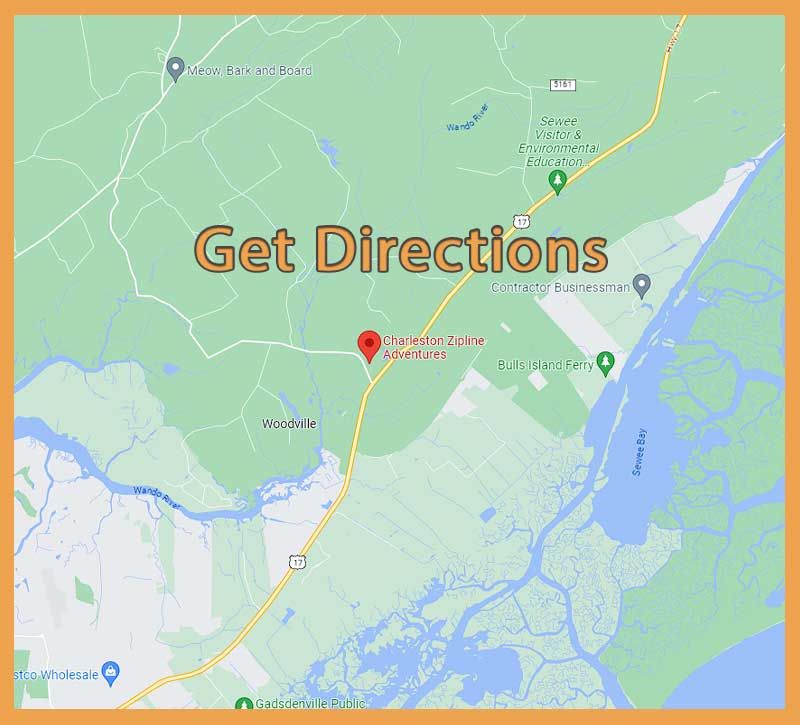
Ready to experience ziplining in real conditions rain, mist, or sunshine? At Charleston Zipline Adventures , every tour is designed with safety-first weather monitoring, trained guides, and all-weather equipment so you can enjoy the adventure with confidence. Whether you're planning your first zipline ride or coming back for a new experience in Awendaw, South Carolina, book your tour today and see why so many guests love flying through the forest no matter what the forecast says.
Book Your Zipline AdventureFrequently Asked Questions
Can you zipline during a thunderstorm?
No. Every legitimate operator halts all operations when lightning is detected in the area. This is non-negotiable and not subject to debate or guest preference.
Will I get a refund if it rains?
Probably not for rain alone, since most operators run in the rain. You're more likely to get a refund or credit if the operator cancels due to lightning, high winds, or other conditions that make operation genuinely unsafe.
Does rain make ziplining more dangerous?
Marginally, in the sense that wet platforms require more caution. The cables, harnesses, and braking systems are designed for wet conditions. The primary risk in rain is slip-and-fall on platforms, which guides actively manage through briefings and monitoring.
Does rain make a zipline faster or slower?
Usually very slightly faster due to reduced cable friction, but the effect is minor. Guides account for this in their braking technique.
Can kids zipline in the rain?
Yes, if they meet the weight and age requirements for the tour and are dressed appropriately. The considerations are more about comfort and warmth than safety. Dress them in the same layering system you'd use for yourself.